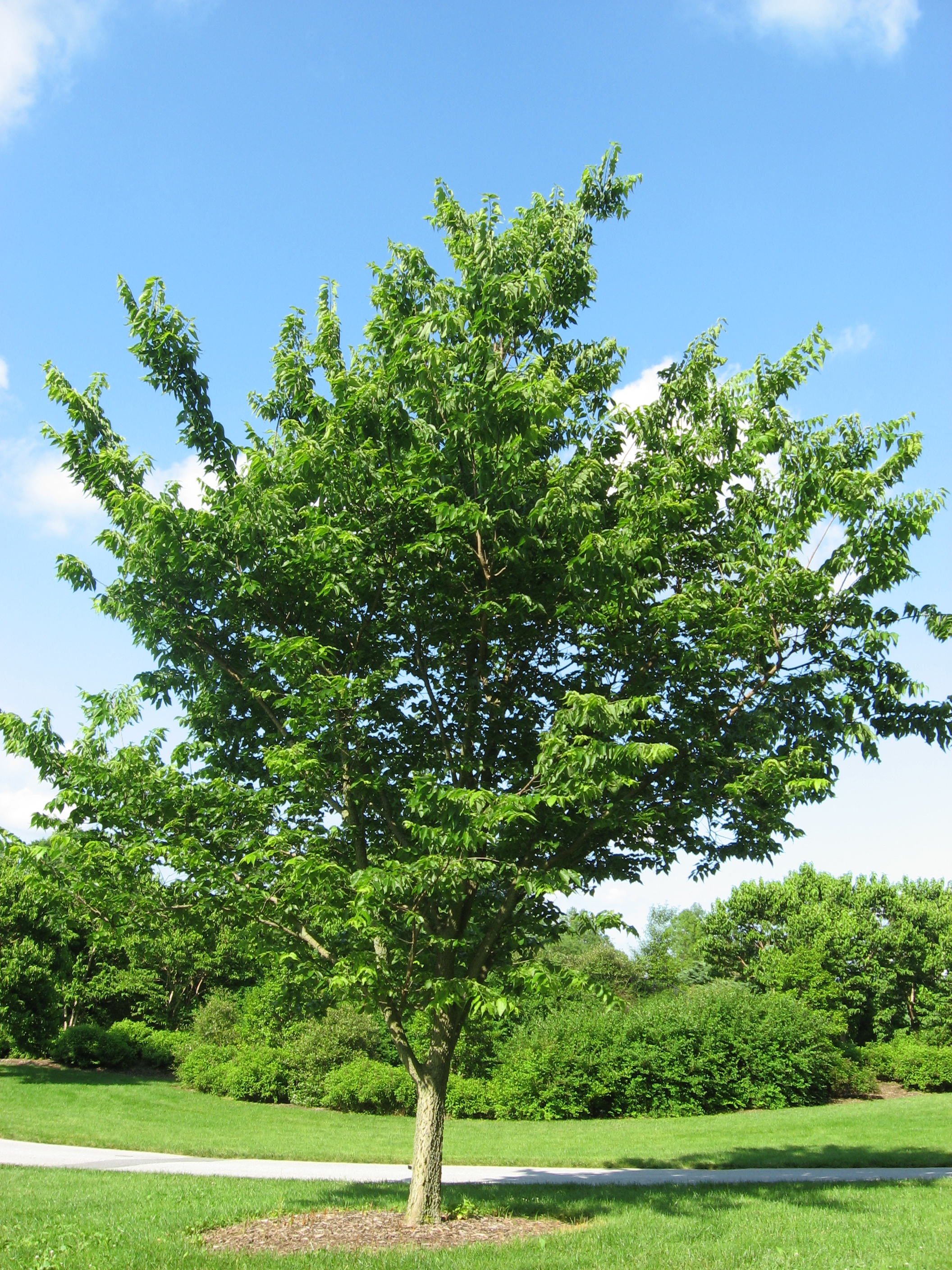
Browse more photos of Celtis occidentalis without leaving the page.
Hackberry
Celtis occidentalis
A robust and adaptable shade tree, the Hackberry offers excellent resilience and visual interest for diverse landscapes.
Includes the plant, delivery to your property, professional installation in an existing landscape area, starter fertilizer, a small compost amendment, light mulch around the new plant, and basic cleanup.
Size
Planting condition
Plant installation is for existing landscape areas only. New beds, sod removal, major removals, grading, drainage, or custom landscaping require a separate quote.
This size is currently out of stock, but you can still order it — we restock from our growers weekly and will have it in soon.
About this plant
The Hackberry (Celtis occidentalis) is a distinguished shade tree renowned for its remarkable hardiness and unique warty bark texture, providing year-round visual appeal. Its strong, upward-spreading branches support a dense canopy of deep green leaves, which transition to a soft yellow in the autumn, offering ample shade and a touch of seasonal color. Ideal for urban and rural settings alike, the Hackberry tolerates a wide range of soil conditions and environmental stressors, making it a reliable choice for street planting, park settings, or as a stately specimen in a large garden. Its fast growth rate ensures a quick establishment, providing significant impact in a shorter time frame. Beyond its aesthetic qualities, the Hackberry serves an important ecological role, providing food and shelter for various bird species with its small, purplish-red berries, which persist into winter. Its resilience and benefit to local wildlife make it an excellent choice for a sustainable landscape.
Installation timing
When we're in season, outside of the winter months, our goal is to get your plants installed within about two weeks. That window gives us enough time to secure your plants from our supplier and find a spot on the schedule. Throughout the process we stay in touch through notifications and your existing client portal on the main A Cut Above website, which is separate from this landscaping plants shop.
Care & maintenance
Hackberry trees are remarkably low-maintenance once established. Water deeply during prolonged dry spells, especially in the first few years after planting. No specific pruning is typically required beyond removing dead, damaged, or crossing branches to maintain a strong structure. Fertilization is generally not needed unless a soil test indicates a deficiency.
Watering suggestions
Proper watering is the single most important factor in your plant's survival after installation. Newly installed plants have a limited root system and rely on you for consistent moisture while they establish.
- First 2 weeks: Water deeply every day (or every other day in cooler, wet weather), soaking the root ball and surrounding soil.
- Weeks 3–12: Water deeply 2–3 times per week, adjusting for rain, heat, and soil drainage.
- After establishment: Water deeply about once a week during the growing season, and more often in extreme heat or drought.
- How to check: Stick a finger 2–3 inches into the soil near the roots — if it's dry, it's time to water. Deep, less-frequent watering encourages strong roots; shallow daily sprinkles do not.
- Avoid: Overwatering (soggy, waterlogged soil) is just as harmful as underwatering and can drown roots.
Watering needs vary by plant, season, soil, and exposure. Because proper watering is the customer's responsibility after installation, please make sure you understand and can follow these suggestions before ordering.
Good to know: plants and trees purchased from and installed by A Cut Above include a one-year limited warranty from the date of installation. Because plant survival depends heavily on proper watering and care after installation, losses caused by improper care, neglect, animal or chemical damage, or extreme weather are not covered, and we must be given the chance to inspect a struggling plant before it's removed or replaced. Coverage is one replacement per plant. Read our warranty info.
Quick facts
- Type
- tree
- Mature height
- 40-60 feet
- Mature width
- 40-50 feet
- Sun
- Full Sun to Partial Shade
- Water
- Moderate to Low once established
- Growth rate
- Medium to Fast